
Blog·Examples
4 brand collaboration examples—and what made them work
A tactical breakdown of Stanley × Post Malone, Stanley × Lainey Wilson, Stanley × Messi, and Away × The White Lotus.
The best brand collaborations are not random logo swaps. Each one connects a familiar product to a specific identity, community, or cultural moment. These four launches show four different ways to build that connection.
Stanley x Post Malone: redesigning a heritage product
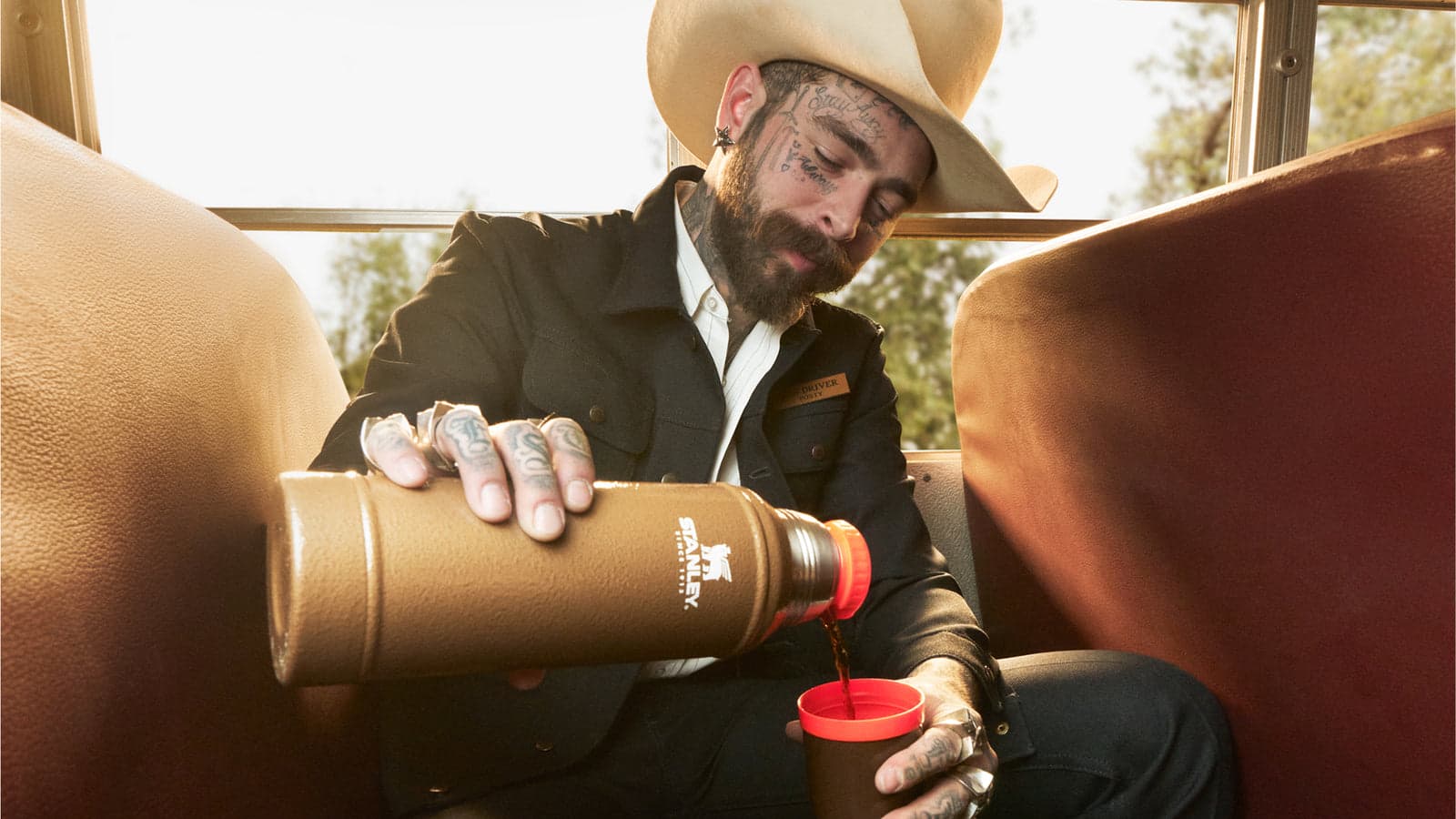
The Post Malone collaboration used Stanley's classic bottle and lunch box rather than starting with its most trend-driven tumbler. Hammertone Coyote Brown, Blaze Orange, and a Posty Co. keychain translated the artist's visual world into products that already carried a rugged identity.
The lesson: choose a product whose existing meaning overlaps with the collaborator. The partnership feels stronger when the canvas already makes sense.
Put this into practice
Use the collaboration test.
Write down what each participant contributes, what changes in the offer because they are involved, and why customers will care now.
Open the planning guideStanley x Lainey Wilson: turning personal style into product detail
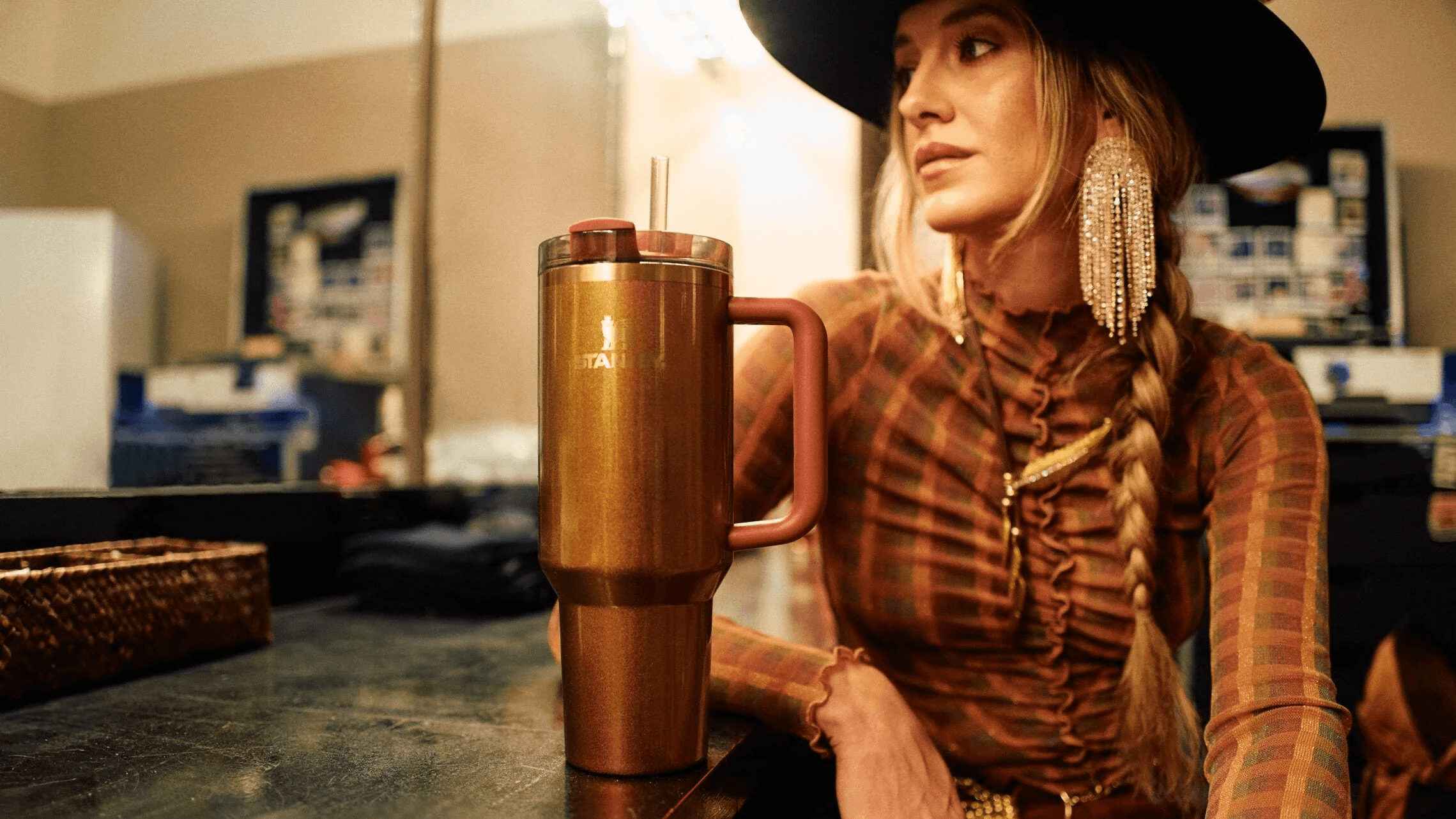
Stanley's Country Gold Quencher used a burgundy base, gold flecks, iridescent finish, smoky amber lid, and custom Bell Bottom Country packaging. The official product story describes it as a second collaboration, showing that the relationship could become a repeatable series rather than a single drop.
The lesson: the collaborator's contribution should be visible without needing a campaign explanation. Specific product details make identity tangible.
Stanley x Messi: building a collection around identity
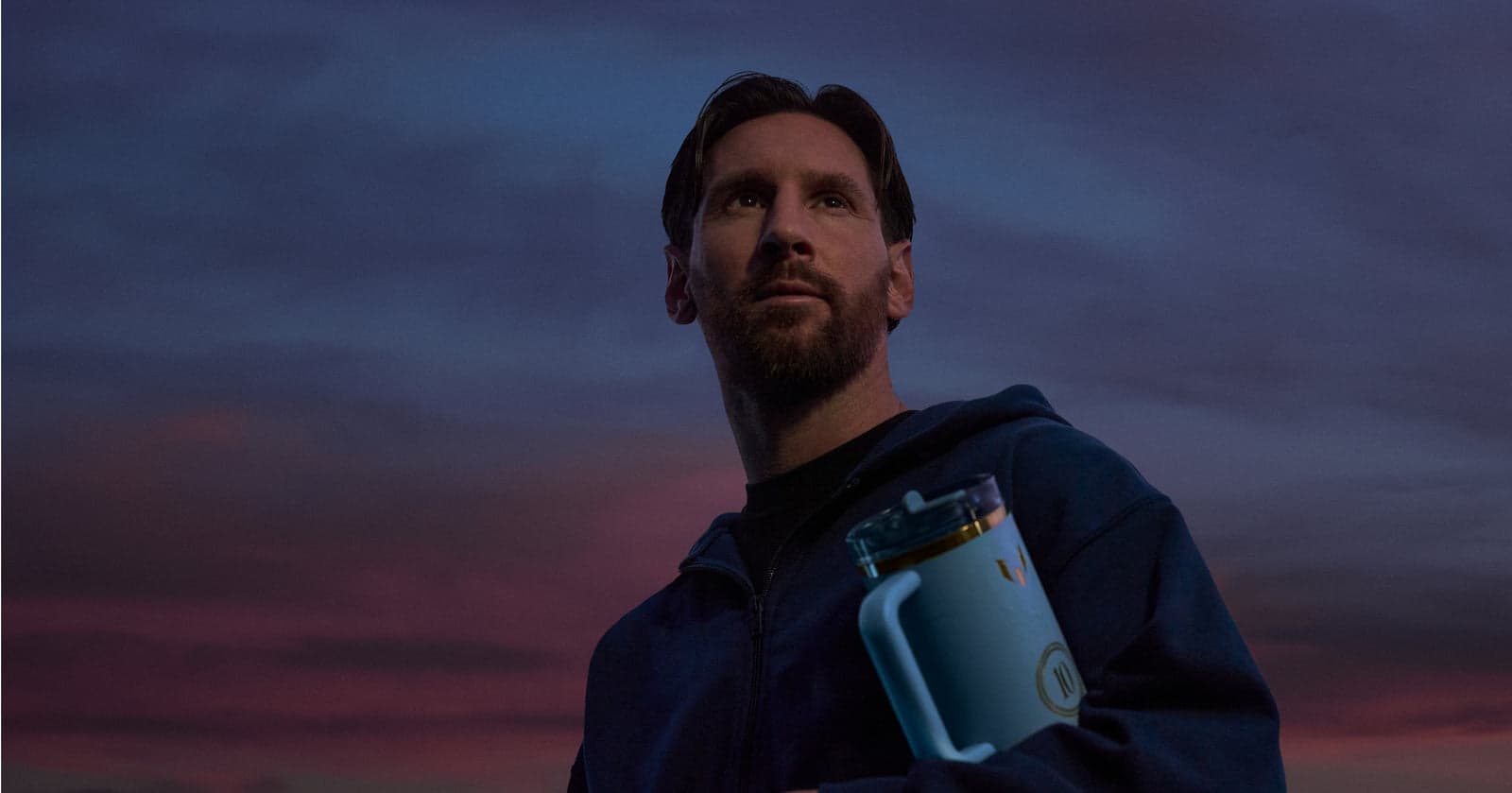
The Striker Blue collection expanded across several drinkware formats and used electric blue, embossed lightning bolts, gold finishes, and products connected to mate culture. Stanley framed it around Messi's Argentinian roots and performance mindset.
The lesson: a broader collection works when there is a coherent design system and a genuine cultural thread—not simply more SKUs.
Away x The White Lotus: selling entry into a story world
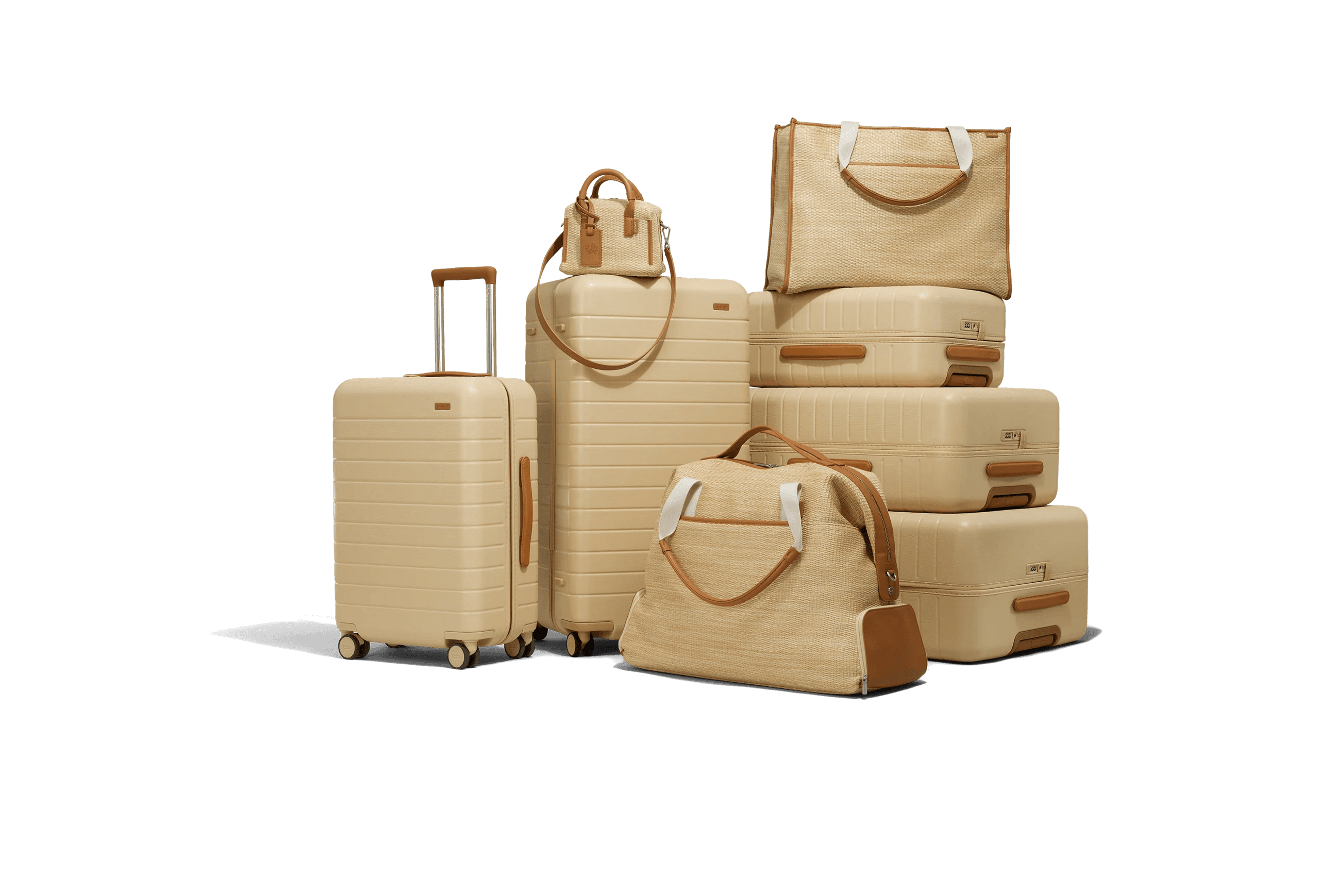
Away timed its limited-edition travel collection to the third season of The White Lotus and worked with Warner Bros. Discovery Global Consumer Products. The collection incorporated a custom pattern created with an artist connected to the show's opening-credit visual language.
The lesson: entertainment collaborations work best when the product naturally belongs in the world of the story. Travel luggage and a show built around luxury resorts create an immediate narrative fit.
A framework for evaluating any collaboration
- Product fit: does the base product make sense for the collaborator?
- Audience fit: do the participants connect distinct but compatible communities?
- Creative specificity: could the product exist without this exact partner?
- Timing: is there a cultural moment, season, tour, release, or event to organize demand?
- Repeatability: could the relationship grow into a series without becoming predictable?
In shortA memorable collaboration makes the partner essential to the product—not interchangeable with the next famous name.